
Vietnam DMC’s Insider Guide: Best time to visit North Vietnam
North Vietnam has a distinct seasonal climate, unlike the relatively stable conditions in southern regions. While winters are typically cool and misty, summers are defined by high humidity, intense heat, and periodic heavy rainfall.
For international tour operators, designing successful itineraries in this region requires more than simply consulting a generic climate chart. As a local DMC with 20 years of operational expertise, 365 Travel provides a pragmatic perspective on North Vietnam’s weather. Our goal is to empower travel planners to build seamless journeys that maximize client satisfaction by aligning expectations with regional realities.
North Vietnam Weather: Northeast vs. Northwest
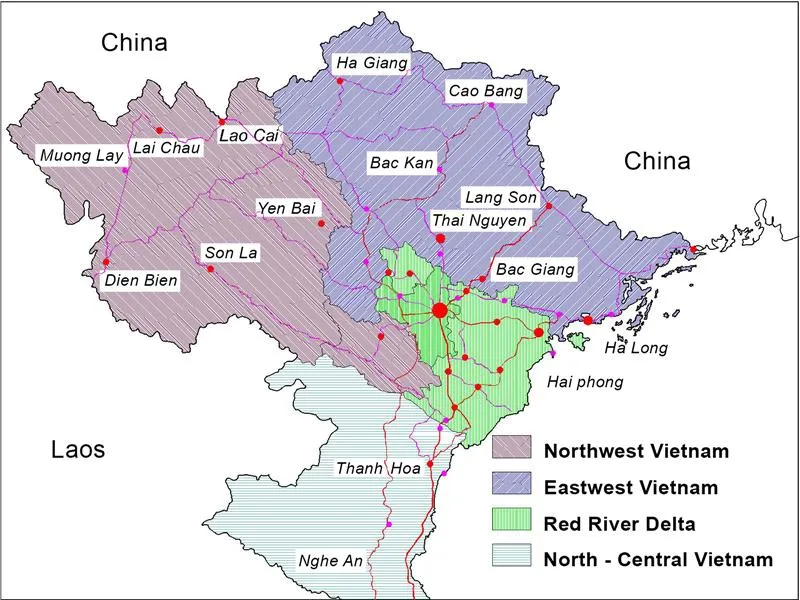
A short understanding of North Vietnam requires recognizing the divergence between the Northeast and Northwest regions. Due to the influence of high-altitude topography and mountain barriers, the Northwest typically remains 2–3°C warmer than the Northeast. While the Northeast is often the first to feel the brunt of cold surges from the north, the Northwest’s sheltered valleys provide a slightly milder retreat, a nuance that can be pivotal when scheduling trekking-heavy programs for senior or luxury travelers.
North Vietnam Weather by month
Northern Vietnam can be broadly divided into three distinct seasonal weather patterns with different conditions, so understanding the timing helps travel planners prepare better and create suitable experiences for different types of travelers.
1. The Cold & Misty (November – February)
During the winter months, Northern Vietnam is characterized by cold temperatures and high relative humidity, occasionally reaching saturation levels. This often manifests as persistent drizzle and a distinctive “chill” that feels colder than the thermometer suggests.

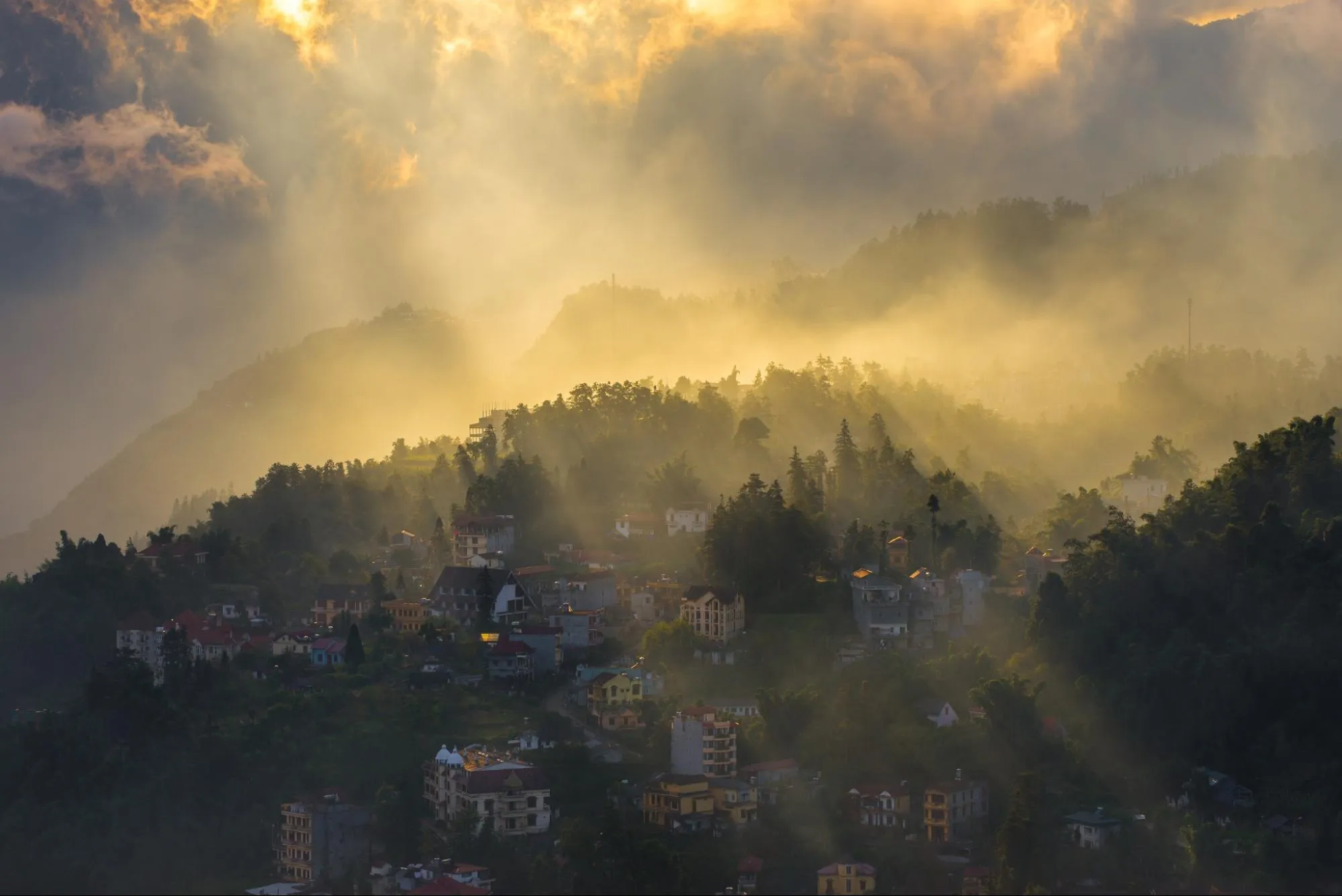
In the high mountainous areas like Sapa, temperatures can decrease below 10°C (50°F). Thick mist becomes a “specialty”. Vietnam weather during this period, blanketing valleys and mountain passes to create ethereal landscapes that appeal strongly to professional photographers and travelers seeking authentic, moody local encounters.
Weather in Vietnam in January in other regions like Halong, Ninh Binh, Halong Bay can remain highly cold, particularly for those prioritizing scenic cruising, wellness, and relaxation. Meanwhile, city tours in Hanoi become optimal for walking tours and museum visits, as the reduced heat stress allows for a more focused exploration of the city’s intellectual and historical soul.
2. The High Humidity Weather (February – March)
As winter fades, the eastern part of Northern Vietnam enters a period of extreme humidity. Temperatures rise to 20 – 25°C, but relative humidity often exceeds 95%, leading to condensation on surfaces.
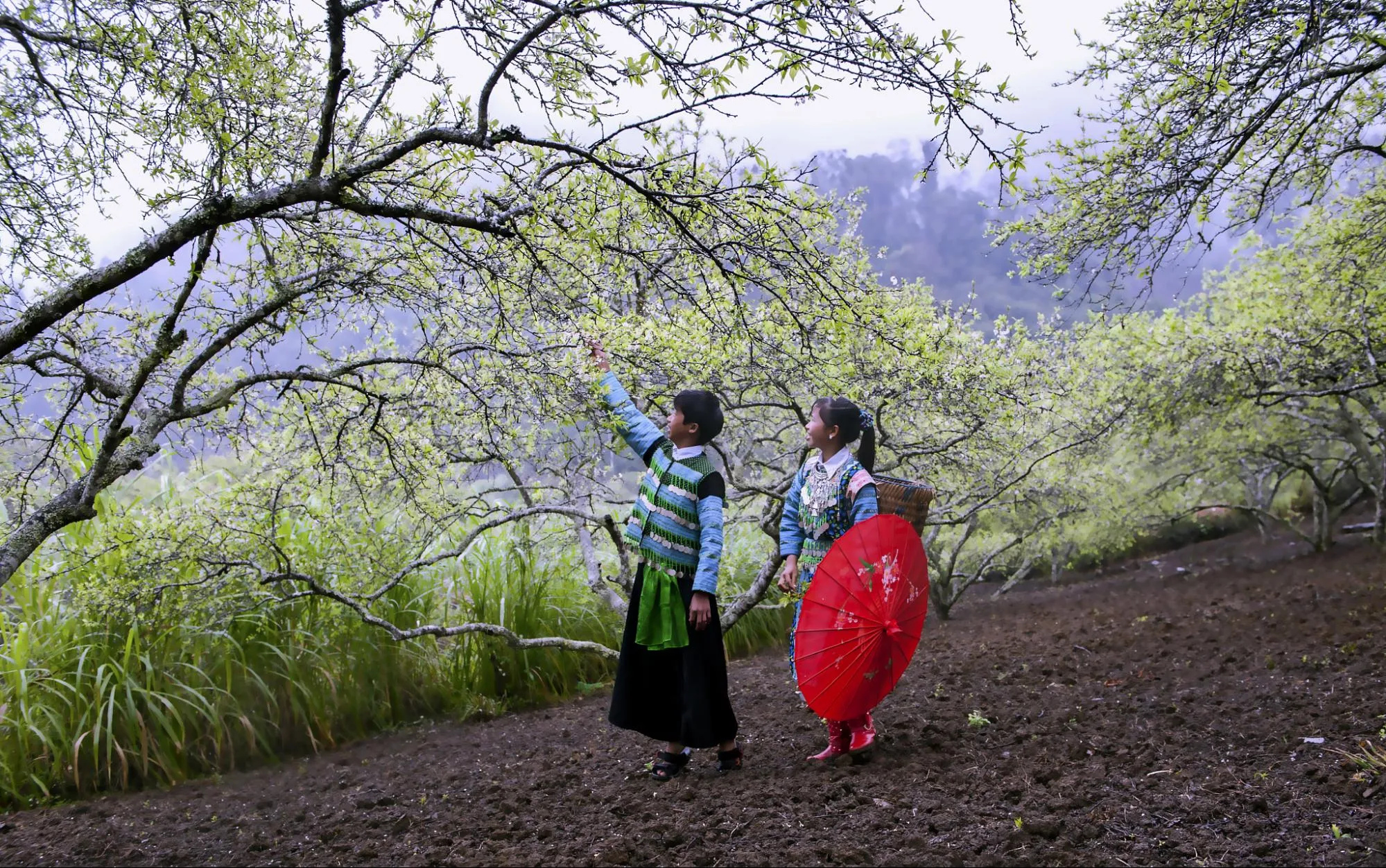
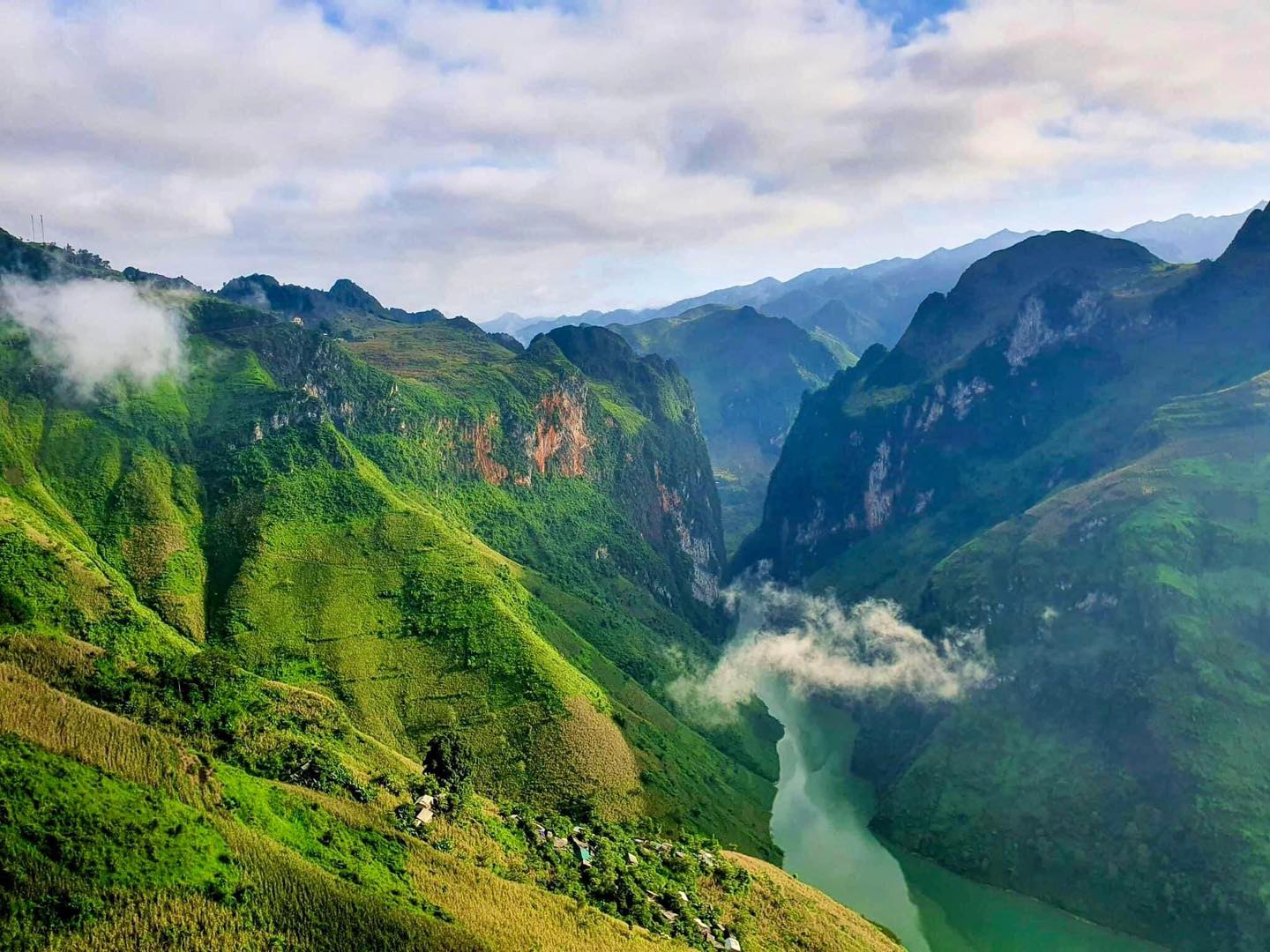
Despite the humidity, this is a visually stunning period. The mountains of Ha Giang and the Northwest transform with the vibrant colors of peach and plum blossoms. These stable, moderate temperatures make it easier to combine diverse experiences such as trekking in the highlands and heritage exploration in the lowlands within a single, cohesive itinerary.
3. The Hot & Rainfall Season (May – September)
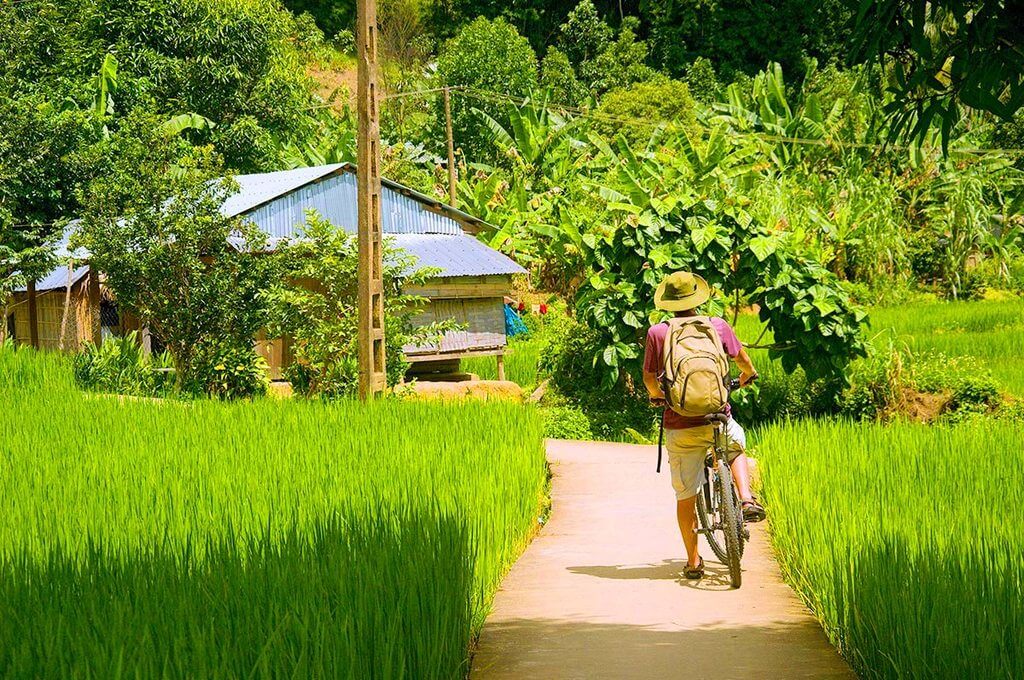
Summer is the most intense period of the year. In lowland areas like the Red River Delta and Hanoi, strong sunshine can drive temperatures above 30°C, frequently peaking at 35 – 38°C.
For travel planners, the summer heat necessitates a strategic shift in itinerary pacing. Smart scheduling involves moving outdoor excursions to the cooler early morning or late afternoon, leaving the midday hours for indoor experiences or relaxing activities such as a spa. This period represents the low season for inbound tourism and the peak season for domestic travel.

Best months to visit North Vietnam
From the end of October through early April, Northern Vietnam transitions into its most temperate and gentle phase. This period is widely considered the most favorable window for international travelers to immerse themselves in the full spectrum of Vietnamese experiences without the stress of extreme heat.
In lowland areas such as Hanoi, Ninh Binh, and Ha Long Bay, temperatures average a comfortable 17 – 22°C (63–72°F). In the capital, Hanoi, these milder temperatures provide a perfect setting for immersive walking tours through the French Quarter or exploring the city’s vibrant gastronomy trails. In Ninh Binh, the cool, atmospheric mist often blankets the limestone karsts, creating a serene, ink-painting-like scenery during sampan boat trips. Meanwhile, Ha Long Bay takes on an ethereal, mystical beauty, where the seasonal fog adds a cinematic touch to the panoramic views from a sundeck.
Designing Smart Northern Vietnam Itineraries
At 365 Travel, we believe that weather should never be an obstacle, only a context for a different type of beauty. Our role as your local partner is to provide the “operational lens” required to navigate these seasons with confidence.
Master the destination with our 2026 Vietnam DMC Insider Guide
The insights shared above are merely a glimpse into the comprehensive intelligence found within our 2026 Vietnam DMC Insider Guide. This guide is an exclusive resource reserved for our registered travel partners.
[REGISTER HERE TO ACCESS THE FULL 2026 DIGITAL INSIDER GUIDE]
To explore how these conditions shape our actual travel products, you may browse our Vietnam Sample Tours for inspiration.